


-

Add: HeBei ShengShi HongBang Cellulose Technology CO.,LTD.
-

Email
13180486930@163.com -

CONTACT US
+86 13180486930

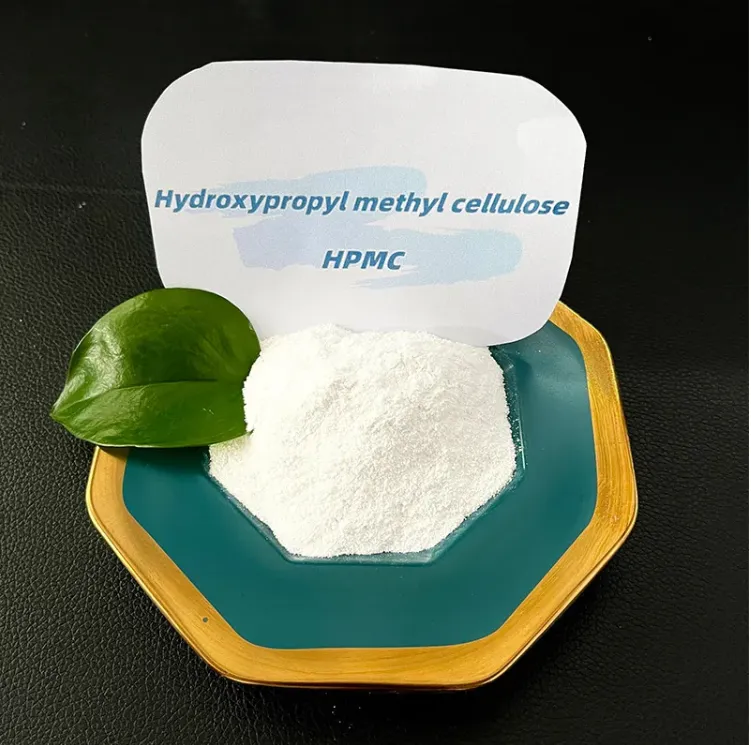
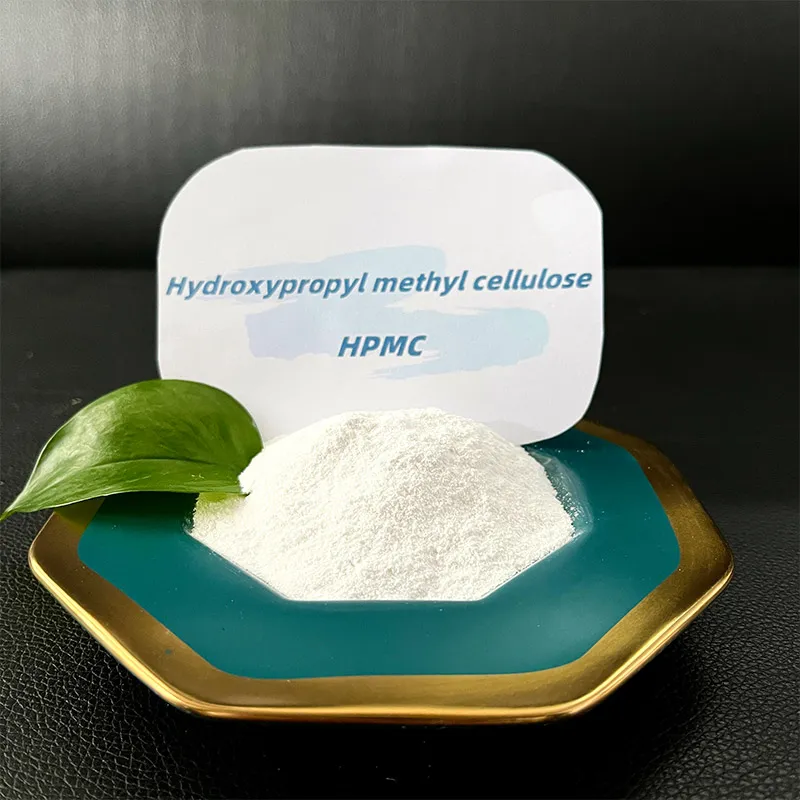
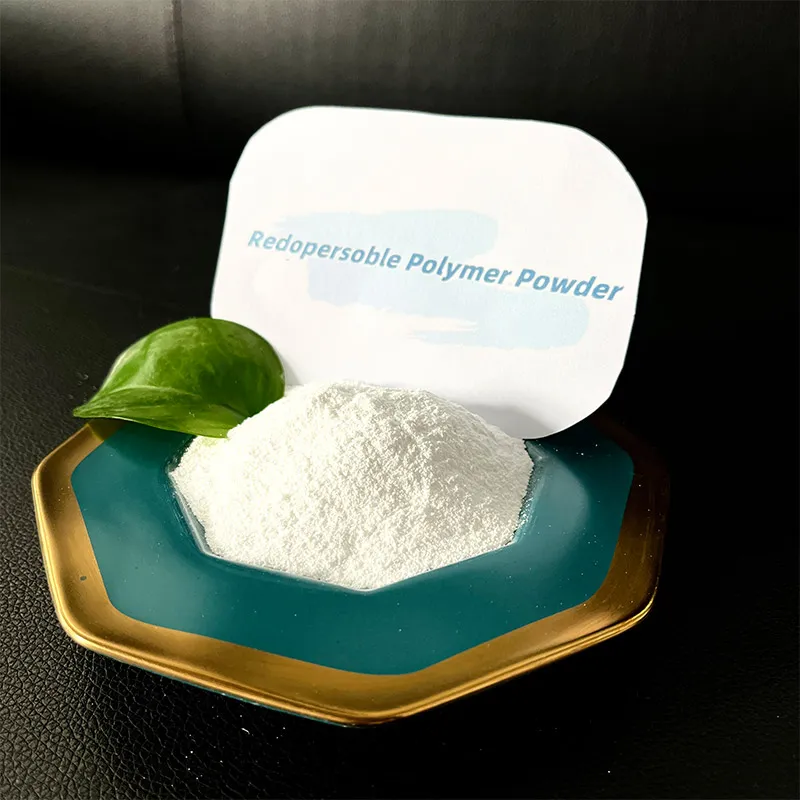
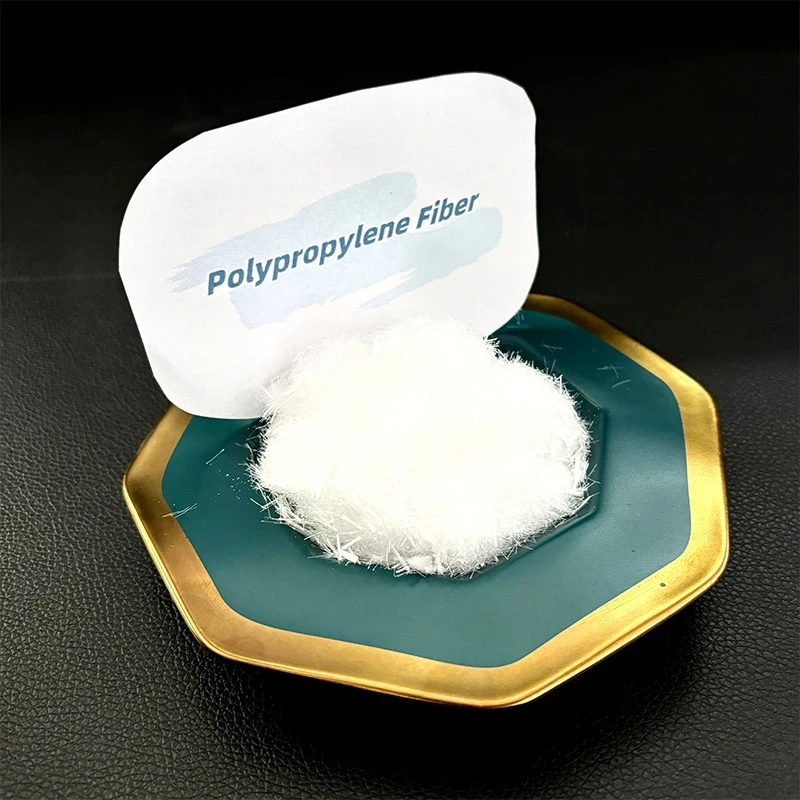


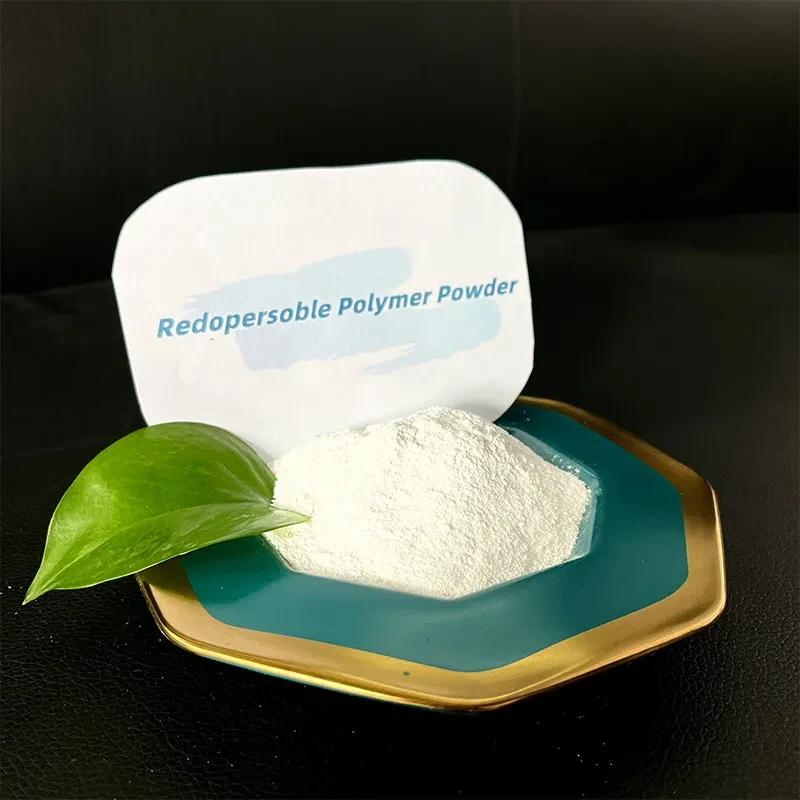
Thin-bed mortars are a cornerstone of modern construction, valued for their precision in tile installation, plastering, and bonding. At the heart of their performance lies polymer powder , a transformative additive that enhances adhesion, flexibility, and durability. Alongside redispersible polymer powder and redispersible powder variants, it elevates mortar quality, making thin-bed applications more reliable and long-lasting. Hebei ShengShi HongBang Cellulose Technology CO.,LTD, a professional manufacturer with over 20 years of experience, located in Hebei Province Xinji provincial clean chemical Industry Park with excellent transportation links, extends its expertise beyond HPMC to include high-quality polymer additives. Their advanced German production processes and daily capacity of 80–100 tons make them a trusted partner for wholesalers seeking top-tier construction materials. This article explores how polymer powder functions in thin-bed mortars, highlighting its key roles and benefits. Types of Redispersible Polymer Powder for Thin-Bed Mortars Polymer Powder: Polymer powder is a generic term for powdered polymers that dissolve or disperse in water, forming a film when dried. In thin-bed mortars, it acts as a binder, improving cohesion between cement, aggregates, and substrates. Wholesalers can note that its versatility makes it suitable for a range of mortar types, from tile adhesives to repair mortars. Redispersible Polymer Powder: Redispersible polymer powder is a specialized variant that, when mixed with water, re-disperses into a stable emulsion. This unique property ensures uniform distribution throughout the mortar, enhancing its overall performance. It is particularly effective in thin-bed applications where even coverage and strong adhesion are critical. Hebei ShengShi HongBang’s redispersible polymer powder is engineered for consistent results, meeting the demands of high-precision construction. Redispersible Powder: Redispersible powder (a broader term encompassing redispersible polymers) offers tailored benefits, such as enhanced water resistance or flexibility. These variants are ideal for thin-bed mortars used in humid environments, like bathrooms, or areas prone to slight movement, such as kitchens. Their adaptability makes them a valuable addition to any wholesaler’s product lineup. Enhancing Adhesion with Redispersible Polymer Powder Film-Forming Binder: Redispersible polymer powder forms a continuous polymer film within the mortar as water evaporates. This film bridges gaps between mortar particles and the substrate (e.g., tiles, concrete), creating a strong mechanical bond. In thin-bed mortars, where contact area is limited, this enhanced adhesion prevents tile slippage and ensures long-term stability. Improved Bond to Diverse Surfaces: Thin-bed mortars often need to adhere to challenging substrates like glass, metal, or painted surfaces. Polymer powder modifies the mortar’s surface tension, allowing it to wet and bond to these materials effectively. This versatility reduces the need for specialized primers, simplifying installation and lowering costs—an advantage wholesalers can emphasize to clients. Resistance to Water and Moisture: Redispersible powder enhances the mortar’s water resistance by forming a hydrophobic film. This is crucial in thin-bed applications in wet areas, such as showers or swimming pools, where moisture penetration could weaken the bond. The polymer barrier prevents water from breaking down the mortar structure, extending its lifespan. Performance Benefits of Polymer Powder in Thin-Bed Mortars Performance Aspect Mortar with Polymer Powder Standard Mortar (Without Polymer Powder) Advantage for Construction Flexibility High; withstands minor substrate movement Rigid; prone to cracking under stress Reduces tile or plaster damage from structural shifts. Adhesion Strength Excellent bond to diverse substrates Limited adhesion to non-porous surfaces Ensures long-term stability in tile and stone installations. Water Resistance Resistant to moisture penetration Susceptible to water damage Ideal for wet areas like bathrooms, kitchens, and swimming pools. Workability Smooth, easy to spread with minimal sagging May be stiff or runny Improves installer efficiency and reduces material waste. This table helps wholesalers clearly demonstrate how polymer powder elevates thin-bed mortar performance, making it a must-have additive for quality-focused clients. Key Functions of Redispersible Powder in Thin-Bed Mortars Reducing Shrinkage: Thin-bed mortars are prone to shrinkage as they dry, which can cause cracks or debonding. Redispersible powder minimizes shrinkage by increasing the mortar’s flexibility, allowing it to contract slightly without losing integrity. This is especially important in large-area installations, where uniform drying is challenging. Enhancing Cohesion: Polymer powder improves the mortar’s cohesion, preventing segregation of cement and aggregates. This ensures a smooth, homogeneous mix that spreads evenly, reducing the risk of voids or weak spots in the thin bed. Enhanced cohesion also makes the mortar easier to handle, reducing installer fatigue. Boosting Durability: Mortars containing redispersible polymer powder are more resistant to abrasion, impact, and chemical exposure. This durability extends the lifespan of thin-bed applications, reducing the need for repairs or replacements. It is particularly valuable in high-traffic areas, such as commercial lobbies or retail spaces. Polymer Powder FAQS What Dosage of Redispersible Polymer Powder Is Ideal for Thin-Bed Mortars? Typically, redispersible polymer powder is used at 3–8% by weight of cement in thin-bed mortars. Lower dosages (3–5%) improve basic adhesion, while higher dosages (6–8%) enhance flexibility and water resistance. Hebei ShengShi HongBang’s technical team can recommend precise dosages based on specific mortar formulations and project needs. Is Polymer Powder Compatible with Other Mortar Additives? Yes, polymer powder works well with common additives like cellulose ethers, plasticizers, and retarders. It complements these materials, enhancing overall mortar performance without adverse reactions. This compatibility simplifies formulation for wholesalers and ensures versatility across applications. Can Redispersible Powder Improve Mortar Workability in Cold Weather? Absolutely. Redispersible powder lowers the mortar’s water demand and improves its flowability, even in cold temperatures. This ensures consistent workability during winter installations, reducing the risk of premature setting or poor adhesion. Does Polymer Powder Affect the Setting Time of Thin-Bed Mortars? In moderate dosages, polymer powder has minimal impact on setting time. However, high dosages (over 8%) may slightly extend curing, which can be beneficial in hot climates where rapid drying is a concern. Hebei ShengShi HongBang offers formulations tailored to balance workability and setting time. Where Can Wholesalers Source Quality Polymer Powder for Thin-Bed Mortars? Hebei ShengShi HongBang Cellulose Technology CO.,LTD provides premium polymer powder and redispersible powder products, designed to optimize thin-bed mortar performance. Visit their website to explore their range and partner with a manufacturer renowned for quality and reliability in construction materials.
- 40000tons

Production
- 20+years

Experience
- 5000+㎡

Acreage

-

The Importance of Wood Cellulose in Modern Applications Wood cellulose, an organic compound derived from the cell walls of trees and plants, has garnered increasing attention in various industries due to its unique properties and versatility. As one of the most abundant biopolymers on Earth, it plays a crucial role in both natural ecosystems and human applications. This article explores the significance of wood cellulose, its production, and its various uses in modern society. What is Wood Cellulose? Wood cellulose is a long chain polymer made up of glucose units that form a linear structure. This structural arrangement gives cellulose its remarkable strength and ability to form fibers. Wood, being rich in cellulose, serves as the primary source for extracting this valuable material. The process of extracting cellulose from wood involves several steps, including debarking, chipping, cooking, and bleaching, resulting in a pure form that can be used for a multitude of applications. Industrial Applications One of the most significant uses of wood cellulose is in the paper and pulp industry. Cellulose fibers are the main component of paper products, where they contribute to the strength and texture of the final product. With a growing emphasis on sustainability, recycled paper containing wood cellulose has become increasingly popular, reducing the need for virgin wood and promoting a circular economy. . Wood Cellulose in Food and Pharmaceuticals ағаш целлюлозасы In the food industry, cellulose serves as an additive that improves the texture and stability of various products. It acts as a thickening agent, emulsifier, and dietary fiber, enhancing the nutritional profile of food items. Moreover, cellulose is a popular ingredient in low-fat and reduced-calorie products, offering mouthfeel without the additional calories. The pharmaceutical industry also benefits from wood cellulose. It is used as an excipient in many medications, where it aids in the formulation and stability of drugs. Hydroxypropyl methylcellulose (HPMC) and microcrystalline cellulose are common cellulose derivatives utilized as binding agents, ensuring that tablets maintain their integrity and dissolve appropriately in the body. Innovations in Eco-Friendly Materials In recent years, the focus on sustainability has led to innovative uses of wood cellulose in the development of eco-friendly materials. Biodegradable plastics derived from cellulose are being researched and developed to combat the growing plastic pollution problem. These materials not only showcase the potential of renewable resources but also help reduce the reliance on fossil fuels. Furthermore, advanced research is exploring the potential of wood cellulose in nanotechnology. Cellulose nanoparticles are being studied for their use in drug delivery systems, biosensors, and even as a reinforcing agent in composite materials. This research could pave the way for groundbreaking solutions in various fields, from medicine to environmental science. Conclusion Wood cellulose stands out as a remarkable biopolymer with diverse applications across multiple industries. Its abundance, sustainability, and unique properties make it an essential material in our modern world. As society continues to seek out eco-friendly alternatives, the significance of wood cellulose is only expected to grow. From traditional industries like paper and textiles to innovative applications in food and pharmaceuticals, wood cellulose represents the intersection of nature and technology, offering promising solutions for a sustainable future. Embracing its potential can lead us toward more responsible consumption and production practices, ensuring that we make the most of our natural resources while safeguarding the environment for generations to come.
-
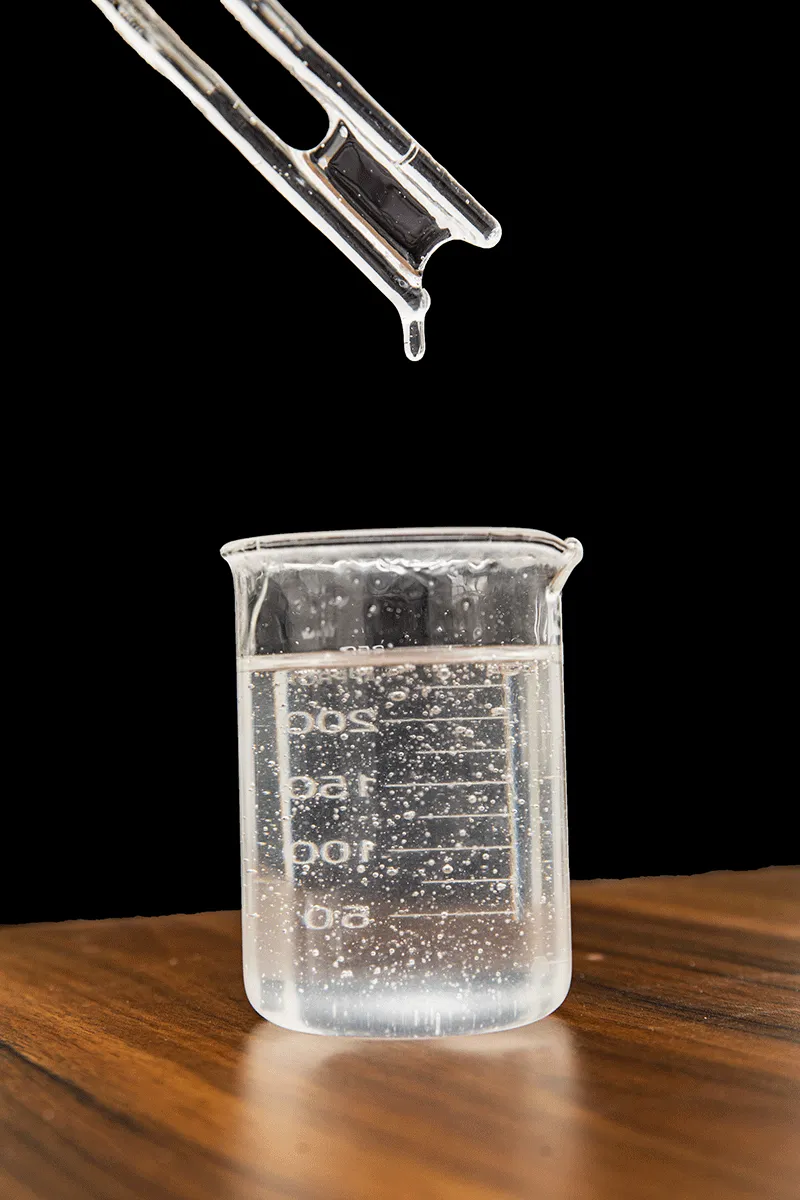
Retained Hydroxypropyl Methylcellulose (HPMC) has long been a cornerstone in various industrial and pharmaceutical applications, offering versatile properties that enhance product formulations, consistency, and performance. The recent discontinuation of certain retained HPMC products has sparked concern and curiosity among businesses and consumers who relied on its unique benefits. This article delves into the implications of this discontinuation, offers alternatives, and discusses the broader impact on industries that heavily utilized these products. Retained HPMC is renowned for its exceptional ability to control moisture, serve as a thickening agent, and sustain the stability of emulsions and suspensions. Its non-toxic, inert properties have made it a popular choice in the pharmaceutical industry for coating tablets, controlling drug release , and even in topical formulations. The construction sector also values HPMC for enhancing the workability of mortar and cement products, reducing water retention, and promoting adhesive properties. The discontinuation of retained HPMC products can be attributed to several factors, including shifts in market demand, advancements in technology, and changes in regulatory standards. For instance, increasing scrutiny over synthetic additives and a growing push for more sustainable, biodegradable alternatives have influenced manufacturers to reconsider their product lines. Furthermore, innovations in biopolymers and natural thickeners are providing effective substitutes that align with contemporary consumer preferences for eco-friendly ingredients. Businesses reliant on retained HPMC must now explore alternative solutions that can offer comparable performance characteristics. One promising substitute is cellulose ethers derived from natural sources, which maintain the desirable properties of HPMC while addressing environmental concerns. These alternatives minimize ecological impact and align with the industry's movement towards more sustainable practices. Moreover, professionals working in R&D departments are tasked with reformulating products to adapt to the absence of retained HPMC. This presents an opportunity for embracing innovation, as new formulations can potentially outperform traditional ones not just in terms of efficacy, but also in meeting regulatory standards and consumer expectations. Collaborative efforts across industries may foster the rapid development and acceptance of suitable replacements, thereby maintaining product integrity and customer satisfaction. retaine hpmc discontinued For industries such as pharmaceuticals and construction, the transition away from retained HPMC products necessitates thorough testing and validation processes to ensure the quality and safety of new formulations. This requires increased investment in R&D and robust collaboration with suppliers who can provide consistent, high-quality alternative ingredients. The discontinuation also highlights the importance of future-proofing product development to anticipate market shifts and regulatory changes. Companies that invest in adaptable, innovative solutions position themselves advantageously to navigate potential disruptors, ensuring long-term resilience and competitiveness. Engaging with regulatory bodies, industry groups, and consumer feedback can offer valuable insights and guide the development of high-performing alternatives. While the phase-out of retained HPMC products may pose challenges, it also paves the way for forward-thinking companies to lead the charge in sustainable innovation. By embracing this change, industries can not only sustain their operations but also contribute to broader environmental goals and enhance their reputation as conscientious, responsible market players. In conclusion, the discontinuation of retained HPMC products necessitates a strategic pivot towards sustainable alternatives. Through embracing innovation, rigorous testing, and cross-industry collaboration, companies can effectively navigate this transition. This approach ensures that businesses remain competitive and responsive to evolving market demands and regulatory landscapes, all while contributing positively to environmental sustainability.
advantages
-

200000 Viscosities
Excellent product
We can produce pure products up to 200,000 viscosities
-

40000 tons
High yield
We don’t stop production all year round, and the annual output can reach 40,000 tons
-

24 hours
Quality service
We provide 24-hours online reception service, welcome to consult at any time
———— Inquiry Form
Schedule A services

-
 tapioca_starch_emulsifier
Oct . 25, 2025
Hydroxypropyl Methylcellulose (HPMC) E5 is a versatile and essential ingredient in various industrie -
 athari_ya_fiber_polypropen_katika_saruji
Oct . 25, 2025
Exploring the Intricacies of Hydroxyethyl Starch (HES) A Critical Product Insight Hydroxyethyl starc -
 tyre_rubber_powder_uses
Oct . 25, 2025
Hydroxypropyl methylcellulose (HPMC) cellulose, a derivative of cellulose, is revolutionizing the fo


